
Denver Mid-Year 2026 Market Check. Halfway Through 2026, Denver’s Market Has a New Currency — And It Isn’t Price
The most important sentence in Denver real estate this year wasn’t written by an economist. It came from Amanda Snitker, Chair of the DMAR Market Trends Committee, in the June report: “Condition has quietly become the currency that matters most.”
Read that again, because if you build homes for a living, it should sound like a market that’s tilting your way. Nobody delivers condition like new construction. Fresh finishes, current floor plans, nothing to repair — on paper, your inventory is exactly what 2026 buyers are paying for.
So why are spec homes and quick move-ins still sitting?
Because the condition buyers pay for isn’t the condition on your punch list. It’s the condition they feel walking through the door. And an empty spec home — however flawlessly built — asks buyers to do the imagining themselves. In a market this selective, most of them won’t.
What the First Six Months Actually Showed Us
Here’s the mid-year picture, straight from DMAR’s June Market Trends Report:
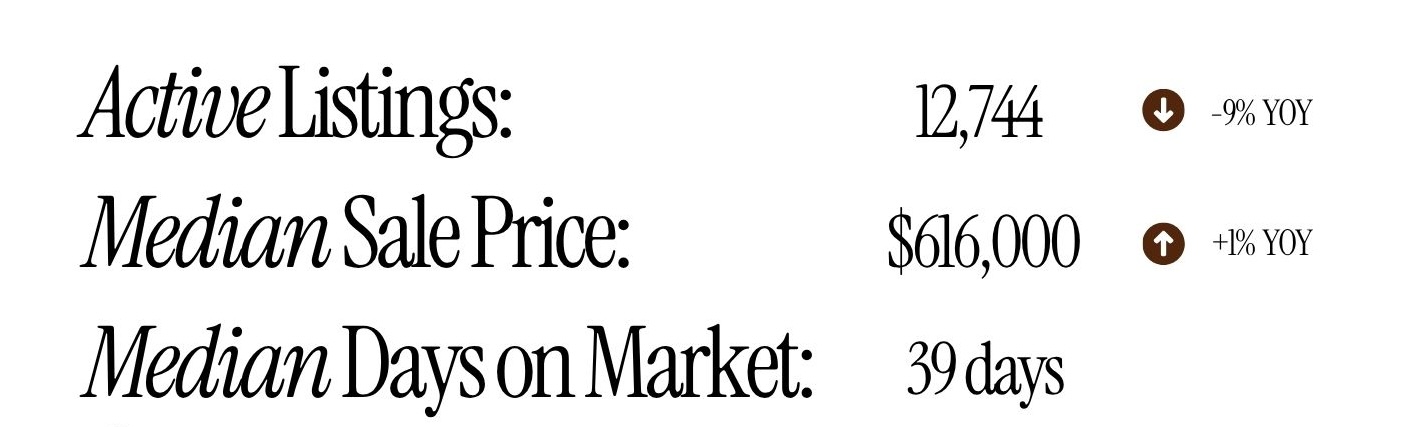
Active listings finished June at 12,744 — up nearly 4% from May, though down 9% from last June’s highs. Buyers don’t have unlimited choice, but they have enough choice to be selective. And they are being selective. That’s the field your specs and quick move-ins are competing on. Not just against other builders, but against thousands of resale homes, some of them professionally staged and priced to move.
The median close price held steady at $616,000, and average days on market crept up to 39 days, from 37 a year ago. Median days in the MLS hit 18. For a resale seller, 39 days is an inconvenience. For a builder, days on market is a line item: construction loan interest, utilities, insurance, and a sales team’s attention — every week, on every unsold unit.
But the number that matters most for your margin is this one: sellers who priced and presented well still captured 99% of asking price. The market isn’t punishing sellers. It’s punishing unprepared inventory. As Snitker put it: “Homes are taking longer to sell, but sellers who price and present well aren’t giving up ground once a buyer is at the table.”
Two homes in the same community, same price band. One is furnished and shows like a lifestyle; it sells near ask. The other is a beautifully built empty box; it sits, collects carry costs, and eventually gets moved with an incentive that comes straight out of margin. That’s the 2026 market in one sentence.
Why Buyers are Hesitant
If well-presented homes are doing fine, why does every builder in town have traffic that won’t convert?
Rates. The 30-year fixed has spent the first half of 2026 hovering in the mid-6% range, and Fannie Mae expects it to stay around 6.4% through year-end. Your core buyer — the move-up family — is sitting on a 3% mortgage, and trading it away is the most expensive financial decision they’ll make this decade. That math keeps them frozen.
But the lock-in conversation misses something: buyers who do walk through your model aren’t just running rate math. They’re running risk math. They’ve heard homes are sitting. They’ve seen price reductions in your own community. What they’re really asking — even when they don’t say it out loud — is: if I stretch for this house, am I buying the one that holds its value, or the one that sits?
A staged home answers that question before your sales team says a word. An empty one leaves it open.
What the Second Half Will Look Like
No forecaster is predicting a dramatic second half. Fannie Mae sees rates flat near 6.4%; ICE projects a modest drift toward 6.35% by October. NAR’s Lawrence Yun has revised his 2026 sales growth forecast down to 4%. National price growth is expected to land somewhere between 1% and 2.3% — cooler than inflation.
Translation for Denver builders: no rate rescue is coming before year-end. The second half will look like the first — balanced conditions, selective buyers, and inventory that shows well moving at strong prices while inventory that doesn’t accumulates carry costs until someone approves a bigger incentive.
Which means the builders who protect margin between now and December won’t be the ones waiting for 5.5% rates to clear the backlog. They’ll be the ones who make every completed home compete on the thing buyers are actually paying for: condition and presentation.
The Case for Making Staging Part of Your Listing System
If condition is the currency, staging is how you cash it in.
Think about what your seller’s home is competing against right now: 12,744 other active listings, plus builder model homes that are professionally designed down to the last throw pillow. Buyers touring five homes in a weekend aren’t comparing your listing to its list price. They’re comparing it to the best-presented home they saw that day.
You already stage — every builder does. It’s called the model home, and you invest in it precisely because furnished space sells. The gap in most builders’ playbooks is everything that isn’t the model: the spec three lots down, the quick move-in that’s been complete for 60 days, the inventory home in a community that’s closing out. Those homes get toured right after the model — and shown completely empty. Buyers don’t compare your spec to its spec sheet. They compare it to the best-presented home they saw that day, which is often your own model working against you.
Staging does three things in this specific mark:
It makes the price make sense. Buyers can’t judge scale in an empty room — great rooms read small, flex spaces read pointless, and a $700K price tag reads optimistic. Staging shows what the square footage actually does, which is the entire argument for the premium over resale.
It protects your margin. In a balanced market, buyers negotiate against uncertainty, and empty rooms create it. Compare the cost of staging one spec home to the cost of one rate buydown, one price reduction, or one more month of interest carry. Staging is the cheapest incentive you’re not offering.
It compresses days on market. Every week a completed home sits, buyers assume something is wrong with it — and your lender assumes nothing is right with it. In a market where the median is 18 days in the MLS, the strongest position is selling before anyone starts asking questions.
Builders who treated staging as a model-home-only expense in the hot years are now applying it across standing inventory — because in a condition-driven market, an empty completed home isn’t neutral. It’s underdressed for the competition.
Halfway Is the Right Time to Change the Playbook
Six months of data are in, and they tell a consistent story: Denver isn’t crashing, it’s normalizing. And normalizing markets reward presentation over patience.
You can’t control rates or resale listings hit the market next month. You can control how every completed home in your inventory shows — and right now, that’s the variable buyers are paying for.
White Orchid Home Staging partners with Denver-area builders to make every spec, quick move-in, and inventory home show like a model. If staging has only ever lived in your model-home budget, let’s talk about what it would look like across your standing inventory — before the fall selling season arrives.
Sources Used:
- DMAR June 2026 Market Trends Report stats (12,744 active listings, $616K median, 18 median MLS days, 39 avg DOM, 99% close-to-list, Snitker quotes): RE/MAX of Cherry Creek, CJV Real Estate, DMAR
- Rate forecasts (Fannie Mae ~6.4%, ICE ~6.35% by Oct): LendingTree
- H2 outlook, Yun 4% sales revision, 1.2–2.3% price growth: Real Estate News, Yahoo Finance
Note: Colorado Association of Realtors data shows metro inventory up ~28% YoY with 3.2–3.5 months of supply — this conflicts with DMAR’s down-9% figure (different data sets/geography). The post uses DMAR only, since that’s the report Denver agents follow.