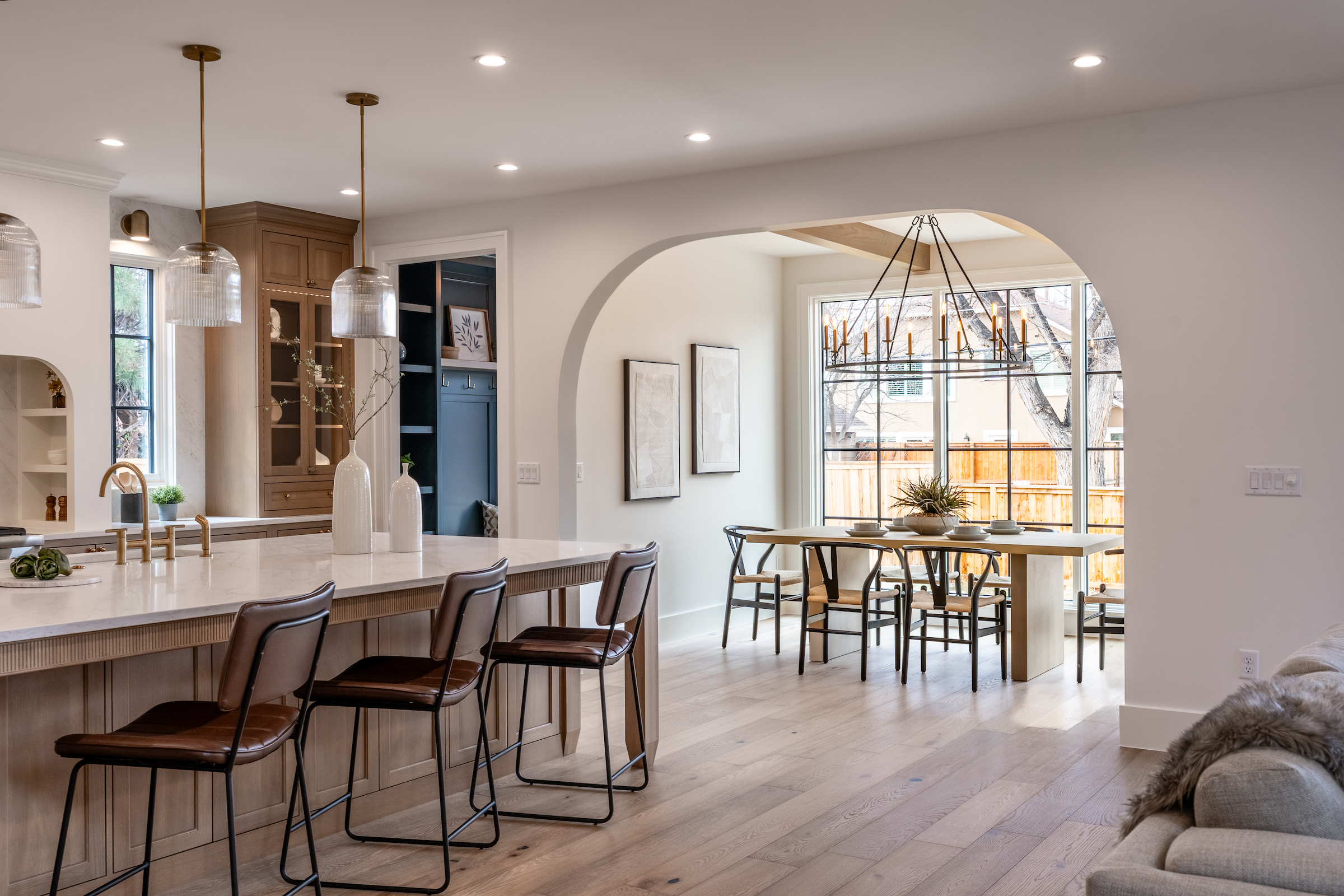
Staging Red Flags And Why ‘I’ll Just Stage It Myself’ Will Cost You
There’s a moment in almost every seller’s journey where the thought creeps in: “Do I really need to stage this, or can I just handle it myself?”
On the surface, skipping professional staging can feel like a smart way to save money. After all, you already own furniture. You know your home better than anyone. And how hard can it really be to make it look good?
But here’s the truth: bad staging (or no staging at all) can quietly sabotage your sale. And the worst part? Most sellers don’t realize it until it’s too late.
Let’s break down the biggest staging red flags and why the do-it-yourself route often ends up costing far more than it saves.
Red Flag #1: “My Home Already Looks Fine”
Living in a home and marketing a home are two completely different things.
What feels comfortable and personal to you can feel cluttered, distracting, or even outdated to a buyer. Family photos, bold paint choices, oversized furniture, these all tell your story but not the buyer’s.
Buyers aren’t just looking at your home. They’re trying to imagine their life in it. If your space is too personalized, you’re forcing their minds to work harder and most won’t see their life there.
The reality: Homes that aren’t staged for broad appeal tend to sit longer and receive lower offers.
Red Flag #2: “I’ll Just Declutter and Be Good”
Decluttering is important, but it’s only step one.
Professional staging isn’t just about removing items. It’s about:
- Strategic furniture placement
- Creating flow and function
- Highlighting focal points
- Making rooms feel larger and brighter
- Using design to guide the buyer’s eye
A clean home without staging can still feel empty, cold, or confusing. Buyers may walk away thinking, “Something feels off,” even if they can’t explain why.
The reality: Decluttering alone doesn’t create emotional connection which is what sells homes.
Red Flag #3: “I Don’t Want to Spend the Money”
This is where the DIY argument usually wins and where it often backfires.
Yes, staging costs money. But not staging can cost you:
- Longer days on market
- Price reductions
- Lowball offers
- Weaker negotiation power
A well-staged home often sells faster and closer to (or above) asking price. That difference can easily outweigh the upfront investment.
The reality: Saving a few thousand upfront can cost you tens of thousands on the back end.
So… When Should You Run Away?
If you catch yourself saying any of the following, it’s time to pause:
“It’s probably fine as is.”
“I’ll just move a few things around.”
“Buyers will see the potential.”
“I don’t want to invest more money.”
These are the exact moments where small decisions turn into big financial consequences.
BONUS: We’ve broken down the cost of staging with White Orchid Interiors. Take a look at the numbers here.
The bottom line is that if you want:
- More showings
- Stronger offers
- A faster sale
…then staging isn’t optional. It’s a winning strategy.